
Hallucination
When an AI states something plausible that is not true, in the same confident tone as everything else.
In plain English
These systems build a good-sounding answer; they do not look one up in a list of verified facts. So when the pieces are missing, the sentence can fill the gap with something that seems right. That is a hallucination: an invented figure, a building that never sold, a rule that does not exist. It is not lying, and it is not so constant that you should stop using the tools. It does mean an answer is not evidence just because it reads smoothly.
This is why specific, checkable records matter. Given a dated deal entry, a model can repeat it. Given only a name, it has to guess.
Why it matters
- A confident sentence is not a verified fact, and a client holds you to the number either way.
- Checkable records give a model something to repeat instead of room to invent.
- The risk concentrates on specifics: names, dates, prices and square footage.
What to do next
- Verify anything an AI gives you against your own documents before it goes into a proposal.
- Hand tools the source facts instead of asking them to recall your business.
- Keep your published record current and specific, since a thin record invites a thin answer.
- Treat the model as someone drafting and your files as the evidence.
Your next client is checking you out.
UpliftCRE puts your deals, listings and market knowledge on a website AI can read, with an AI staff that keeps it current in ten-minute meetings.
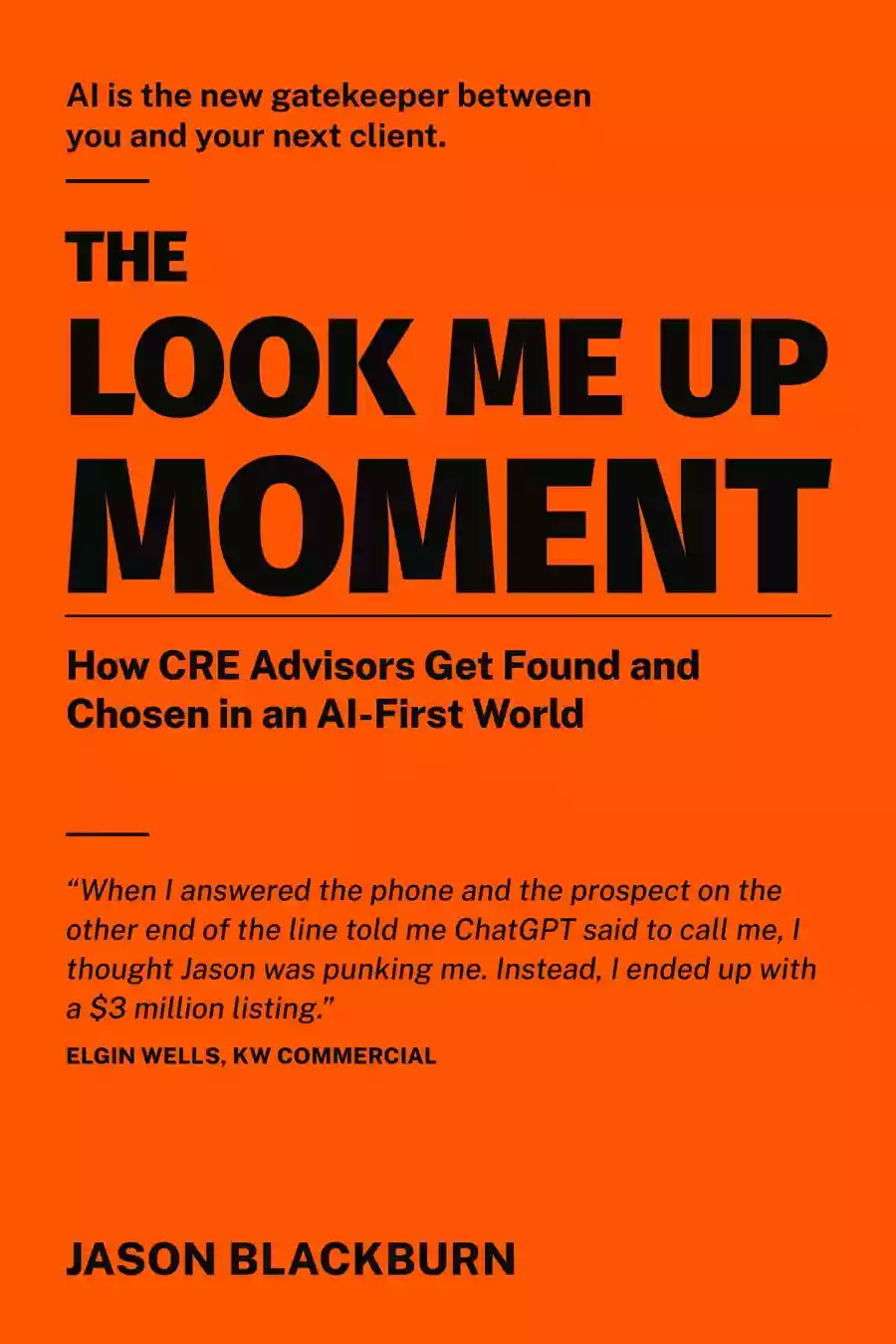
Read the book first.
Before UpliftCRE was software, it was a story. The Look-Me-Up Moment follows Jake Ellis, a broker four years in, as he builds a prospecting engine the hard way. Read it in one evening. Start the system Monday.